Seyfarth Synopsis: Employers often fail to appreciate the ramifications of industrial hygiene data and medical records. Even non-detect records must be maintained for 30+ years and provided to employees or representatives upon request.

OSHA’s Access to Employee Exposure and Medical Records standard, 29 CFR § 1910.1020, is one of the most frequently misunderstood — and quietly enforced — provisions in

Continue Reading Employee Exposure Records and Medical Records: Avoiding OSHA Citations and Defending Against Future Workers’ Compensation, Tort, and ADA Claims

Under OSHA’s General Duty Clause, employers must provide a workplace free from recognized hazards likely to cause serious injury or death. OSHA regulations require PPE and respiratory protection where necessitated by the hazards at the workplace. Infectious diseases represent a recognized hazard at many workplaces across the United States (particularly in healthcare) and employers must implement appropriate procedures to protect

Continue Reading Navigating the New Public Health Environment: How Employers Should Approach CDC and NIOSH Guidance on Health Hazards in the Trump Administration

Employers with sophisticated safety programs implement overarching Safety and Health Management Systems (“SHMS”, also called Injury and Illness Prevention Plans and Accident Prevention Plans) to ensure that they properly assess hazards, select appropriate safety controls, evaluate safety performance, and engage employees. Federal OSHA recommends an SHMS and routinely demands the development of an SHMS to settle OSHA cases involving serious

Continue Reading Minimizing OSHA Liabilities Through Psychological Safety

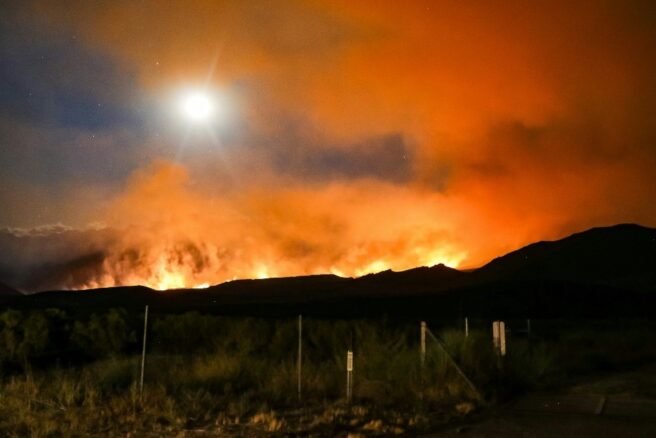
Seyfarth Synopsis: Ongoing wildfires in Southern California trigger Cal/OSHA regulations that require employers to train and protect employees from wildfire smoke. The regulation applies to most outdoor workplaces, requiring employers to provide N95 respirators at certain AQI trigger levels, effective communication, and training on wildfire smoke hazards.

Devastating and fast-moving wildfires have destroyed thousands of homes and businesses in

Continue Reading As Wildfires Rage in Los Angeles, Employers Must Comply with Cal/OSHA’s Wildfire Smoke Rules

By A. Scott HeckerAdam R. YoungPatrick D. JoyceJames L. Curtis, and Craig B. Simonsen

Seyfarth Synopsis: On its website, OSHA is highlighting the hazards of working in winter weather and providing resources for employers to help protect their workers. 

Employers must remember that weather-based hazards exist not only in the heat and humidity

Continue Reading From Snowmageddon to Snowpocalypse: OSHA Highlights Potential Winter Weather Hazards

By Benjamin D. Briggs, Adam R. YoungA. Scott Hecker, Patrick D. Joyce, and Craig B. Simonsen

Seyfarth Synopsis: The National Institute for Occupational Safety and Health (NIOSH) has released a new set of best practices to assist host employers in better protecting the safety and health of temporary workers.

Since 2013, Federal OSHA has maintained

Continue Reading NIOSH Best Practices to Help Host Employers Protect Temporary Workers

By Adam R. Young, Daniel R. BirnbaumA. Scott Hecker, James L. Curtis, and Craig B. Simonsen

Seyfarth Synopsis:  With concerns of infectious disease at the forefront of workplace health and safety in the past several years, and with the traditional flu and cold season upon us, OSHA has reminded the regulated community to prevent the

Continue Reading With Flu Season Upon Us, OSHA Signals That Employers Should Continue To Encourage Vaccination For Their Workforces

By James L. CurtisAdam R. YoungErin Dougherty Foley, and Craig B. Simonsen

The U.S. Department of Labor has blogged about the safety of workers during the busy holiday season, indicating an area of potential enforcement for OSHA in the coming weeks.

In fact OSHA has a Holiday Workplace Safety page to learn more. Crowd management has

Continue Reading Holiday Safety Liabilities and Tips to Limit Employer Liability at Company Parties

By: Adam R. Young, Daniel R. Birnbaum, A. Scott Hecker, and Craig B. Simonsen

Seyfarth Synopsis: Recent data continues to show material disparities in serious injury and fatality rates among employees of differing races or ethnicities, with African-Americans and Hispanics showing considerably higher rates.

The National Safety Council has published its Injury Facts® report tracking

Continue Reading Fatality Rates from Occupational Safety and Health Hazards Higher Among Minorities

By Ilana MoradyPatrick D. JoyceCoby TurnerLiz Watson and Juan Rehl-Garcia 

Seyfarth Synopsis: Two big changes are on the horizon for California employers:
(1) changes to the COVID-19 general exposure notification requirements and (2) a proposed “permanent” Cal/OSHA COVID-19 standard to take effect January 1, 2023-2025.

The fall season signals change between the

Continue Reading Changes Coming to CA COVID-19 Requirements